
Protecting Your Vision Starts with Awareness
Your eyes are complex, and many different systems work together to give you the sight you depend on every day. While it’s easy to focus only on how clearly you can see, many eye diseases can develop silently without obvious symptoms at first. That’s why understanding your eye health and detecting changes early is so important.
At Wake Forest Eye Care Center, we use diagnostic technology like Optos ultra-widefield imaging and OCT (optical coherence tomography) to get a detailed look at your eyes. This allows us to spot problems sooner, explain your risks clearly, and create a plan to help protect your vision.
Contact us to book your next eye exam today and put your visual health first.
Request Appointment
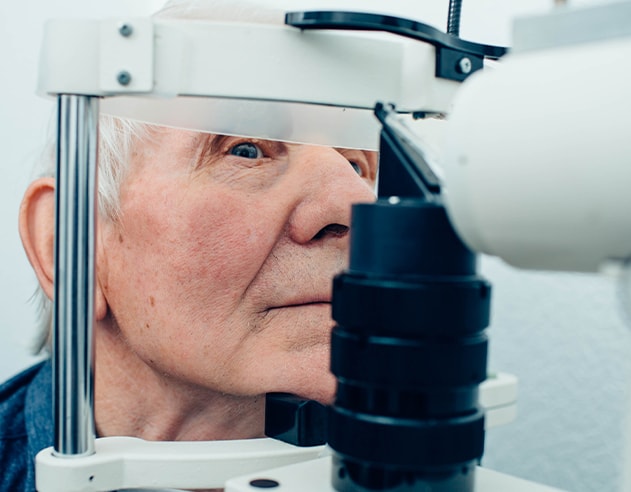
Why Are Eye Exams So Important?
Before prescribing glasses, contact lenses, or treatments, a comprehensive eye exam is the foundation of eye care. Eye exams allow us to:
- Detect early signs of eye disease, even before symptoms appear
- Monitor changes over time with diagnostic imaging
- Personalize recommendations for your specific risks and needs
Many eye diseases can cause permanent vision loss if not caught early. That is why we recommend routine eye exams, especially as you get older or if you have risk factors like diabetes or a family history of eye disease.
Glaucoma Management
Glaucoma refers to a group of diseases that damage the optic nerve, which carries signals from your eyes to your brain. If untreated, glaucoma can cause irreversible vision loss.
We check for glaucoma using both Goldmann applanation tonometry and iCare hand-held tonometry, along with a close evaluation of your optic nerve. There are a few different types of glaucoma:
- Primary Open-Angle Glaucoma: The most common type, often caused by drainage blockages leading to high eye pressure.
- Acute Angle-Closure Glaucoma: A sudden increase in eye pressure that can cause severe eye pain, nausea, redness, and vision loss. This is a medical emergency.
- Normal-Tension Glaucoma: Damage occurs to the optic nerve even though eye pressure remains within normal range.
Age-Related Macular Degeneration (AMD)
Age-related macular degeneration (AMD) is the leading cause of blindness in adults over 60.
The disease affects your macula, a part of your retina that provides the central vision you use to read, see fine details, and even recognize faces. Early symptoms can include blurry or distorted vision, but the disease can eventually cause permanent vision loss.
Our team can detect AMD by observing your macula during a comprehensive eye exam using optical coherence tomography and fundus photography technologies.
- Dry AMD: The most common form, where drusen deposits thin the macula over time.
- Wet AMD: Less common but more serious, caused by abnormal blood vessels leaking under the macula. This can cause rapid vision loss and requires urgent attention.

Diabetic Eye Disease
Diabetes increases your risk for several eye conditions, including diabetic retinopathy, macular edema, glaucoma, and cataracts. Many of these conditions progress silently, making regular eye exams essential for early detection.
At Wake Forest Eye Care Center, we use diagnostics like OCT and Optos imaging to monitor changes in your eyes and intervene before vision loss occurs. With proactive care, we can help protect your sight for the long term.
Dry Eye Disease
Dry eye disease affects nearly 49 million Americans and can cause burning, irritation, watering, or a gritty sensation that makes everyday tasks uncomfortable. If left untreated, dry eye can damage the cornea, increase the risk of infections, and reduce overall quality of life.
During an exam, we can identify the underlying cause of your symptoms and recommend treatments designed to restore moisture and comfort to your eyes.
Cataract Management
Cataracts develop when the natural lens of the eye becomes cloudy, making vision appear blurry, hazy, or less colorful. This condition is very common with age but can also occur earlier due to genetics, injury, or certain health conditions.
Symptoms may include:
- Cloudy or blurred vision
- Difficulty seeing at night
- Sensitivity to light and glare
- Faded or yellowed colors
While stronger glasses or brighter lighting may help in the early stages, surgery is the only way to restore clear vision once cataracts begin to interfere with daily life. If needed, we can refer you to a trusted ophthalmologist for cataract surgery and co-manage your recovery.
Let’s Protect Your Vision, Together
Your vision is too important to take for granted. Many eye diseases progress silently at first, but with consistent eye exams, we can detect early signs, protect your eyesight, and recommend personalized care before problems become more serious.
Whether you are managing an existing condition or simply want peace of mind, we are here to support your lifelong eye health.
Contact us to book your next eye exam today and get a head start on keeping your vision and eyes healthy.
Request Appointment




Visit Our Location
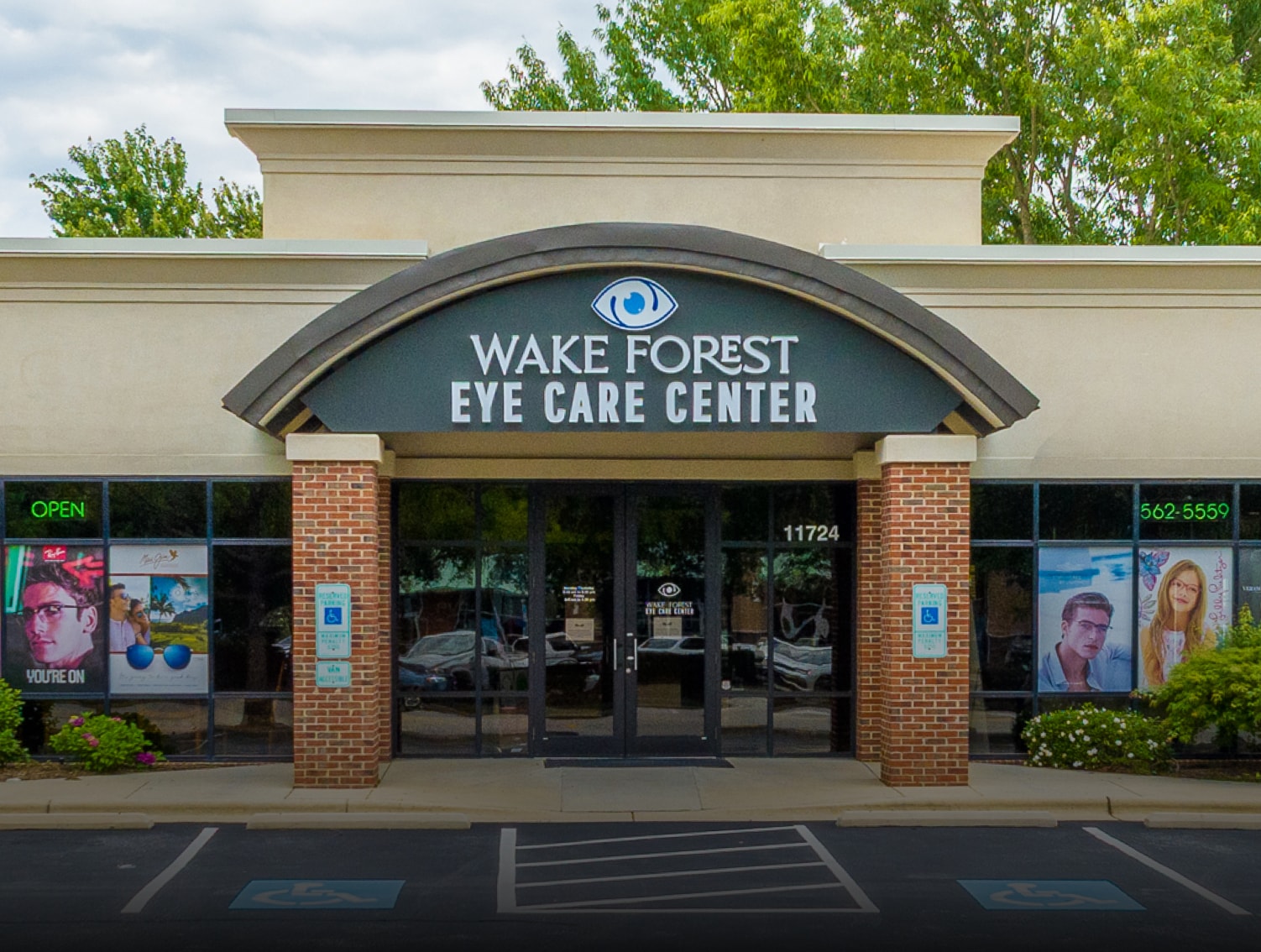
Where to Find Us
We are located at 11724 Retail Drive next door to Chick-fil-A, at the intersection of Capital Boulevard and Hwy 98.
Where to Park
Parking is conveniently located in front of our practice.
Our Address
- 11724 Retail Drive
- Wake Forest, NC 27587
Contact Information
- Phone: 919-562-5559
- Email: [email protected]
Hours of Operation
Our Reviews

Our Testimonials
Very courteous and professional. Explained the test to be preformed and took time to answer my questions. They are an awesome group of people!
– Paul
Amazing experience here. I had my first ever eye exam and visit and everyone there was kind, patient, thoughtful an thorough answering all my questions. I really appreciated all the people who helped me and recommend this location to everyone!
– Delanna
Appreciate Dr Boyd’s attention to detail and time spent answering questions. The entire staff was delightful- helpful and made me feel welcomed. Great selection of eyewear. And what a beautiful office.
– Brenda
Gallery






About Us
Specialty Eye Care
Dry Eye Center
Wake Forest Eye Care
- 11724 Retail Drive
- Wake Forest, NC 27587
- Phone: 919-562-5559
- Email: [email protected]